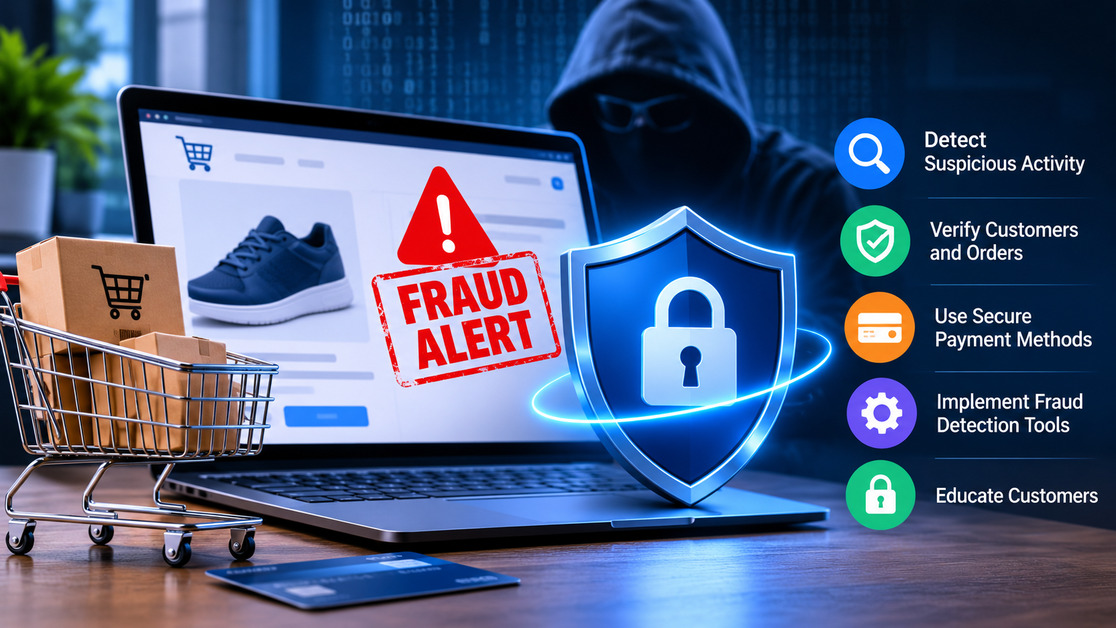
As more people shop online, Ecommerce Fraud has become an increasingly important concern for businesses looking to protect online transactions. Securing a payment page isn’t the only thing ecommerce retailers need to think about.
Fraud can happen during account creation, checkout, order fulfillment, and even after a transaction. Sometimes, fraudsters use stolen credentials to take over legitimate customer accounts.
A strong ecommerce risk assessment process helps businesses identify suspicious activity and determine which orders need further review. It’s important to look at the entire customer journey when protecting online transactions.
Here, we’ll explore how to assess ecommerce fraud risk, make informed decisions, protect transactions, identify security gaps, and take preventive steps to strengthen ecommerce fraud prevention.
How to Assess Ecommerce Fraud Risk Across the Customer Journey
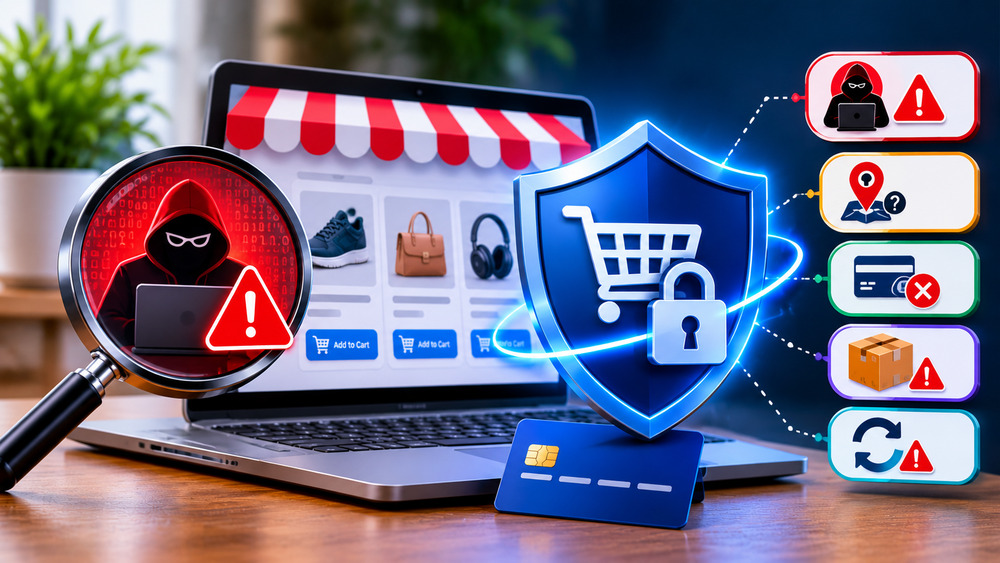
Looking at each stage of the customer journey can help you spot potential fraud risks before they become bigger problems.
Here’s what to look for at each stage:
1. Evaluate Risk During Account Creation
Disposable email addresses, recently created phone numbers, or profile pictures that appear to be reused may be signs of suspicious account activity. These profiles may be created to exploit sign-up bonuses or bypass purchase limits.
2. Assess Risk During Checkout
Mismatched billing and shipping addresses, unusually rushed shipping requests on high-value orders from new accounts, and multiple failed payment attempts can all be warning signs. These signals don’t automatically mean a transaction is fraudulent, but they’re worth a closer look.
3. Review Risk Before Order Fulfillment
Before releasing an order, check shipping destinations against known freight-forwarder addresses and other locations associated with suspicious activity. Fraudsters may route orders through reshipping hubs to make shipments harder to trace.
4. Monitor Risk After the Transaction
Keep an eye on chargeback patterns, return abuse, and sudden account changes, such as an email or address update right after a purchase. These can be signs of post-transaction fraud or account takeover. Ecommerce fraud monitoring helps businesses spot these patterns and investigate potential problems.
How to Make Better Risk-Based Transaction Decisions
Clear decision rules help businesses prevent fraud losses while avoiding unnecessary flags on legitimate transactions.
Here’s how to make ecommerce risk management more consistent:
1. Define Low-, Medium-, and High-Risk Transaction Categories
Start by classifying transactions into risk levels. Factors such as transaction amount, customer account age, shipping destination, and device history can help determine the level of risk. This gives your team a clearer idea of which orders need a closer look instead of sending too many transactions into a manual review queue.
2. Set Clear Criteria for Approving, Reviewing, or Declining Orders
Establish clear rules for when an order should be approved, reviewed, or declined. For example, a first-time buyer spending above a set amount might trigger additional verification. Having these rules in place helps staff make consistent decisions rather than relying on individual judgment.
3. Determine When Additional Customer Verification Is Necessary
Identity verification platforms can add another layer of security when a transaction raises concerns. Depending on the situation, this may involve checking a government-issued ID or using a live selfie to help verify a customer’s identity.
The goal is to add verification when it’s justified by the risk, rather than creating extra steps for every customer.
4. Establish Rules for Escalating Uncertain Transactions
Decide which fraud signals should trigger an automatic pause for human review and which situations warrant declining an order. When escalation rules are clearly documented, staff can follow the same process regardless of order volume or time pressure.
5. Document Decisions for Consistent Fraud Reviews
Keep records of verification checks and the decisions made during fraud reviews. Some identity verification platforms provide timestamped records of ID checks and their outcomes.
These records can help with chargeback disputes, fraud investigations, and compliance audits, although additional transaction evidence may also be needed.
How to Protect Online Transactions Without Hurting Customer Experience

Protecting your business from fraud is important, but you don’t want legitimate customers to abandon their carts because checkout has become too complicated. The key is to apply verification where it makes sense and avoid adding unnecessary steps.
1. Apply Verification at the Right Points in the Customer Journey
You can set up verification to trigger at specific points in the customer journey, such as when a customer purchases an age-restricted item or a transaction raises other fraud concerns. This helps businesses focus additional checks where they’re most useful instead of adding friction to every checkout.
2. Reduce Repeated Verification for Established, Lower-Risk Customers
When customers have already completed identity verification, they shouldn’t necessarily have to repeat the entire process every time they shop. Depending on the platform, returning customers may be able to complete a repeat verification using a QR code or one-time password (OTP).
These methods still need appropriate security measures to help protect against account takeover and other risks.
3. Make Checkout Errors and Verification Requests Easy to Resolve
Don’t leave customers guessing when a verification step appears. Provide clear instructions explaining what’s required and why, along with guidance for resolving common errors. A straightforward process can help customers complete verification without unnecessary frustration.
4. Measure the Impact of Security Controls on Checkout Abandonment
Keep track of checkout completion rates before and after introducing ecommerce fraud protection measures. If more customers abandon their carts at a particular step, take a closer look to see whether that step is creating unnecessary friction.
Compare abandonment rates with fraud-related results to determine whether the added security is worth the extra effort for customers.
How to Identify Security Gaps in Your Ecommerce Operations
Regular reviews can help ecommerce retailers catch weaknesses in their systems and processes before fraudsters take advantage of them.
Here are a few areas worth checking:
1. Review Account Access and Permission Settings
Staff access to the system should be limited based on each person’s role. Unnecessary access can increase the risk of fraud through internal misuse or stolen credentials.
2. Examine Payment and Order Management Integrations
Third-party plugins and payment gateway connections should be kept up to date, patched, and configured securely. Outdated software, missing security updates, and default credentials can create vulnerabilities that fraudsters may exploit. Review these integrations regularly and address any security issues you find.
3. Check How Customer Information Is Shared and Stored
Regularly review what customer data you store and who has access to it. Make sure you only collect and retain the information your business needs. Storing unnecessary data can increase the risk of a data breach.
4. Evaluate Order Cancellation, Refund, and Delivery Workflows
Review your return and refund policies to make sure they’re clear and consistently applied. Fraudsters may exploit overly permissive policies or inconsistencies in how refunds and returns are handled. Apply policies consistently, while allowing for additional review when suspicious activity is identified.
5. Test Procedures for Suspicious Orders and Compromised Accounts
Test how your team responds to suspicious activity. Simulate a suspicious order or account takeover attempt to check whether staff follow the correct escalation procedures and whether automated ecommerce fraud monitoring alerts trigger as expected. Identify any gaps and address them.
Steps to Take When an Online Transaction Looks Suspicious
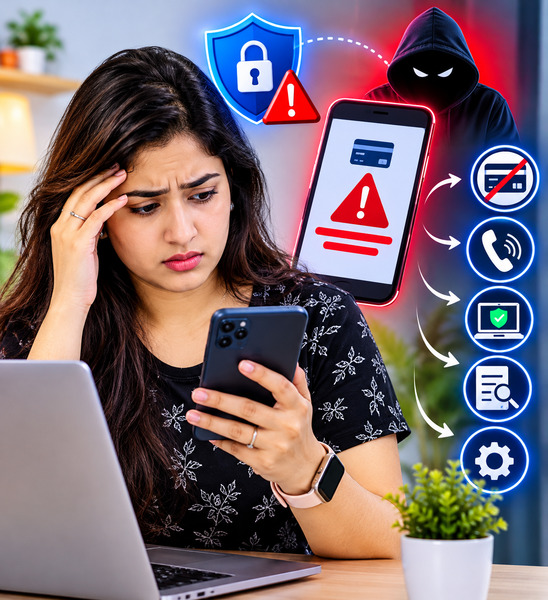
When a transaction looks suspicious, having a documented response process helps your team make consistent decisions and maintain records that may be useful if a dispute arises.
1. Flag the Transaction for Review
If an order raises concerns, place it on hold for manual review. Avoid fulfilling the order until the review is complete and a decision has been made.
2. Gather Relevant Order and Account Information
Review the customer’s account history, device information, internet protocol (IP) address, location data, and linked accounts when appropriate. Look for unusual patterns or inconsistencies that could help you determine whether the transaction needs further review.
3. Determine Whether Additional Verification Is Required
If the available information doesn’t resolve your concerns, you may request additional identity verification through an ID verification platform. Depending on the service, this may involve checking a government-issued ID and completing a live selfie verification.
4. Decide Whether to Release, Hold, or Cancel the Order
Apply the predefined risk criteria.
- If the transaction appears low-risk after review, release the order.
- If concerns remain unresolved, hold the order for further review.
- If the evidence supports declining the transaction, cancel the order and notify the customer without revealing specific fraud detection rules.
5. Notify Relevant Payment or Security Teams
If fraud is identified, notify the relevant internal security team and contact your payment processor when appropriate. Follow the processor’s procedures for reporting suspected or confirmed fraud. Documenting these cases can also help your team identify recurring patterns and potential coordinated fraud across multiple transactions.
6. Record the Outcome and Review the Cause
Document the decision, the evidence reviewed, and the outcome. Use the findings to identify similar patterns and refine your risk-scoring rules where appropriate. This can help your team recognize potential risks in future transactions.
Conclusion
Ecommerce fraud takes many forms and requires continuous assessment throughout the customer journey, from account creation to post-transaction monitoring. A business can manage ecommerce fraud risks more effectively by defining clear risk categories, following consistent review procedures, and making evidence-based decisions.
Ecommerce fraud prevention that combines documented processes with layered verification can offer better protection than relying on a single security measure. Regularly reviewing your ecommerce fraud prevention strategy can also help you identify security gaps, detect emerging threats, and adjust your processes as new ecommerce fraud risks emerge.